Thursday, October 27, 2011

EAT YOUR GREENS!


FALL is THE time to plant LETTUCE, KALE, CABBAGE and other “GREENS”.   These edible plants are not only for culinary use, but also serve as an ornamental accent to the fall and winter garden.

LETTUCE – Latuca sativa is a cool season annual.  All lettuces appreciate full to partial sun and prefer well-drained soil. Moderate water and light fertilization will increase production. Plant loose leaf types 4-6 inches apart and others 6-12 inches apart.  Harvest leaves for salads or sandwiches!  Always fresh and homegrown! Favorite types to grow here are:


“Boston” type, which has a loosely formed “head” of brilliant green, smooth leaves.  
BUTTERCRUNCH
Mild crispy leaves are a vibrant green. 


ROUGETTE DE MONTPELLIER
With a Frenchy name, it must be good – Oui! Oui!


“Loose leaf” type which makes a rosette rather than a head and has leaves in a variety of shapes and colors.
ROYAL OAK LEAF 
Leaves resemble those of an oak tree.


BLACK SEEDED SIMPSON
Shocking chartreuse leaves add a blast of color.


RED GALACTIC 
Slightly curled leaves burn a brilliant red in sunlight.


SALAD BOWL OR WILDFIRE MIX 
 Why settle for one lettuce when you can have a mix?


ARUGULA
Aromatic leaves have a peppery, distinctive flavor which sets it apart from other milder lettuces.  Chez Lulu has a delicious arugula salad with toasted pine nuts and parmesan shavings in a vinaigrette dressing.  Perhaps, I will start making my own this fall with my fresh crop! 


MESCLUN MIX 
Usually contains a combination of loose leaf varieties and Romaine (erect, cylindrical head of smooth leaves).  The mixture of fast growing, tender salad greens may also contain mustards, arugula, chicory, radicchio or cress.


ORNAMENTAL KALES and CABBAGES are all members of the same family, scientific name – Brassica (latin for cabbage) oleracea (meaning vegetable like).  Other family members are broccoli, cauliflower, kohlrabi and brussel sprouts. We will focus on kales and cabbages which are typically grown for the decorative leaves – but are also edible! 


REDBOR KALE
Finely curled leaves that begin gray green with red stems and mature a purplish burgundy. 


STARBOR KALE
Green, curly leaf variety that can be substituted for spinach or chard when cooking. 


PEACOCK RED KALE
Stays about a foot high and has delicate feather like foliage which colors a deeper red and purple in full sunlight as it matures.


Fantastic, textural foliage looks amazing November through April in the South.  Colors are more vibrant in full sun.  The bright decorative foliage makes kale a favorite for containers or border planting. Try planting with violas, snapdragons or pansies. Kale needs fertile, organic rich soil.  Kale is edible and outside leaves can be harvested first leaving inner leaves to grow.  Delicious to sauté in olive oil with some fresh garlic, then spritz with lemon juice before serving!  Kale is high in vitamins A and C and calcium.  


CABBAGE is grown for its highly colored leaf rosettes, which resemble giant peony-like clusters and are marbled in shades of green, cream, rose or purple.  Cabbage is spectacular in the cool season garden, and works well with a variety of plantings.  While best in full sun, cabbage can tolerate partial sun.


OSAKA WHITE ORNAMENTAL CABBAGE
Lush and full in shades of cream, white and vivid green to enhance any container or fall bed.  


DYNASTY PINK ORNAMENTAL CABBAGE
Don’t be fooled by the muted shades of gray, green and pink of these bedding plants pictured here.  Once planted in full sun and as cooler weather progresses, the outer foliage will mature a deep blue gray with inner leaves coloring a bright, fuschia-pink. 


Cabbages can be decorative AND while they are edible, the flavor is not as tasty as its close veggie brother.  However, they make lovely garnishes and are cold tolerant!  Growing about 12 inches tall, cabbage works well with a variety of cool season annuals as a filler in containers.


ASIAN GREENS are the mainstays of stir-fry dishes and excellent in exotic salads. Asian greens, especially the Mustards, are attractive foliage plants that make a colorful addition to the garden and mix well with flowering annuals such as snapdragons and violas, or spring bulbs such as tulips and narcissus.  All need a sunny, fertile site and here are some of my favorites:


RED GIANT MUSTARD
 A member of Broadleaf Mustards or Dai Gai Choi.  Great substitute for spinach or chard.  Bold, coppery red foliage is cold tolerant.  Use this award winning plant to liven up your fall and winter garden. 


JOI CHOI PAC CHOI (BOK CHOY)
Also known as Chinese Cabbage or Chinese Chard.  It has striking white stalks with deep green leaves that resemble romaine lettuce.


RED CHOI PAC CHOI 
A versatile variety with spoon-shaped, deep maroon red leaves and brilliant green stems making it a spectacular frost hardy plant.


THE BEST OF THE REST:


BRIGHT LIGHTS SWISS CHARD
A colorful, edible thriller for sure!   Stems are a flaming, electric combination of pink, orange, yellow or red.  Bright Lights for the Magic City!  Leaves are so glossy they appear to be sprayed with lacquer.  The puckered veining makes an interesting textural statement.  A member of the Beet Family – Beta vulgaris -  this plant requires minimal care and prefers full sun.


BULL'S BLOOD BEET
Mainly grown for its edible root, but the tender, fresh greens, which are a bold red, can also be enjoyed!  The added bonus of attractive foliage makes this a great selection to compliment a vast array of cool season annuals.


CURLY LEAF PARSLEY
Petoselinum crispum – a popular herb that is used for seasoning or garnish and as an attractive, frilly, foliage companion to the garden. Another feature is it is a host plant, especially the larvae of the stunning black swallowtail butterfly.  Does like some light shade in the afternoon.


Where can you get the greens? Many local nurseries and garden shops carry them. For a great selection and advice on what to try in your garden, visit Charlie Thigpen at the Garden Gallery in Pepper Place.  His eye for plant combinations was developed for years working with Southern Living – so of course that knowledge will help you, too. Oak Street Garden Shop also carries an extensive selection.  Good luck and enjoy your greens!

PHOTOS COURTESY OF
MATER NATURA DESIGNS

Sunday, October 2, 2011

OKTOBERFEST IS HERE...

so will Beer Gardens be the next outdoor trend?


First there were wooden decks, outdoor kitchens, and screened porches with massive stone fireplaces.  Like interior rooms, exterior spaces evolve in style and function.  Because of a recent project, I think that the BEER GARDEN may be the next HUGE outdoor trend.

A client very special to me was looking for a shady spot where he could enjoy his favorite beverage, draft beer, on lovely days.  His wife presented him with a wonderful birthday present – an outdoor “kegerator” – a refrigerator which houses a beer keg that is dispensed by a draft pull tap.  Now, he just needed the Beer Garden where he could sit and sip his favorite brew!

Luckily, the kegerator was housed in a niche created under the carriage house stairwell adjacent to a shaded area of the existing lawn - which was patchy and never grew well due to the lack of light.  So, with flagstone left over from another home project, we set out to create an authentic Biergarten for him.
           
Here is our “before” picture taken Spring 2011:


The bones of the garden were already there with a neighboring wooden privacy fence,  low flagstone wall, the brick carriage house, and evergreen cherry laurels which had grown to tower over the area.  Plus, a copper wall fountain nearby added the tranquil sound of trickling water. With a bit of tweaking, this could be just the perfect spot for his haven!

You might wonder… what is a Biergarten? The Biergarten is a Bavarian invention developed in the mid-19th century around the city of Munich during the reign of King Ludwig I.  Beers were cold-fermented, so brewing was only possible during winter. But, people wanted to enjoy a cool beer in the summer months, too!  So, breweries dug cellars into the river bank, covered the bank with gravel or stone and planted trees to provide shade. As you can imagine, it was a natural step for the breweries to realize how brilliant it would be to set up simple tables and benches among the trees and create a shaded "beer garden" for their patrons to enjoy their brew.

Characteristics of the beer garden include:
  • Wooden seating and tables
  • Canopy shading by trees - NOT umbrellas*
  • Gravel or Stone flooring
  • Festive lighting
  • Evergreen hedging
* My neighbors who just returned from Munich, Germany told me that Biergartens do have umbrellas now to advertise the types of beer offered.  However, the trees are definitely there, too!


Now, back to my client…

We removed the sod and dry laid a flagstone patio in keeping with the natural features of the beer garden. Then, we created a planting border around the patio which included:
Boxwoods – Evergreen and classic!


Lenten Roses – Shade loving perennial with creamy blooms!


Nikko Blue Hydrangea – Stunning blooms spring through summer!


Hosta – Shade loving and low growing for tight spaces.


We framed the corner of the carriage house with a Mary Nell Holly, which is evergreen, tough and has an abundant crop of red winter berries. Creeping Fig, a clinging vine that likes the shade, was planted to cover and soften the carriage house brick wall.   

Here is our "after" photo taken Fall 2011:


To complete the existing background theme, we added more Formosa Azaleas behind the stone wall in front of the privacy fence.  A Japanese Maple was planted to give some fall color and interest.

Color was introduced in planters and one flower bed which abuts the carriage house stairs.  Small, soft lighting wraps the cherry laurel trunks while copper path lights illuminate key footpath points on the patio and walk.  Lastly, we added the whimsical Beer Gnome, who stands guard to the iron gate which secures the kegerator when not in use.


I think the client was very pleased with his new space and thanks to the leftover flagstone, I was able to deliver an economical solution to his quest for the perfect beer drinking venue!

Let me know if I can help you design YOUR BEER GARDEN!  Like I said, I feel like it might be the NEXT BIG outdoor “must have”! 

Your husband or boyfriend might have a Man Cave, but don’t you think he should have a Beer Garden, too?


or find me on Facebook!

Photos courtesy of
Mater Natura Designs
mother nature garden designs

Friday, September 23, 2011

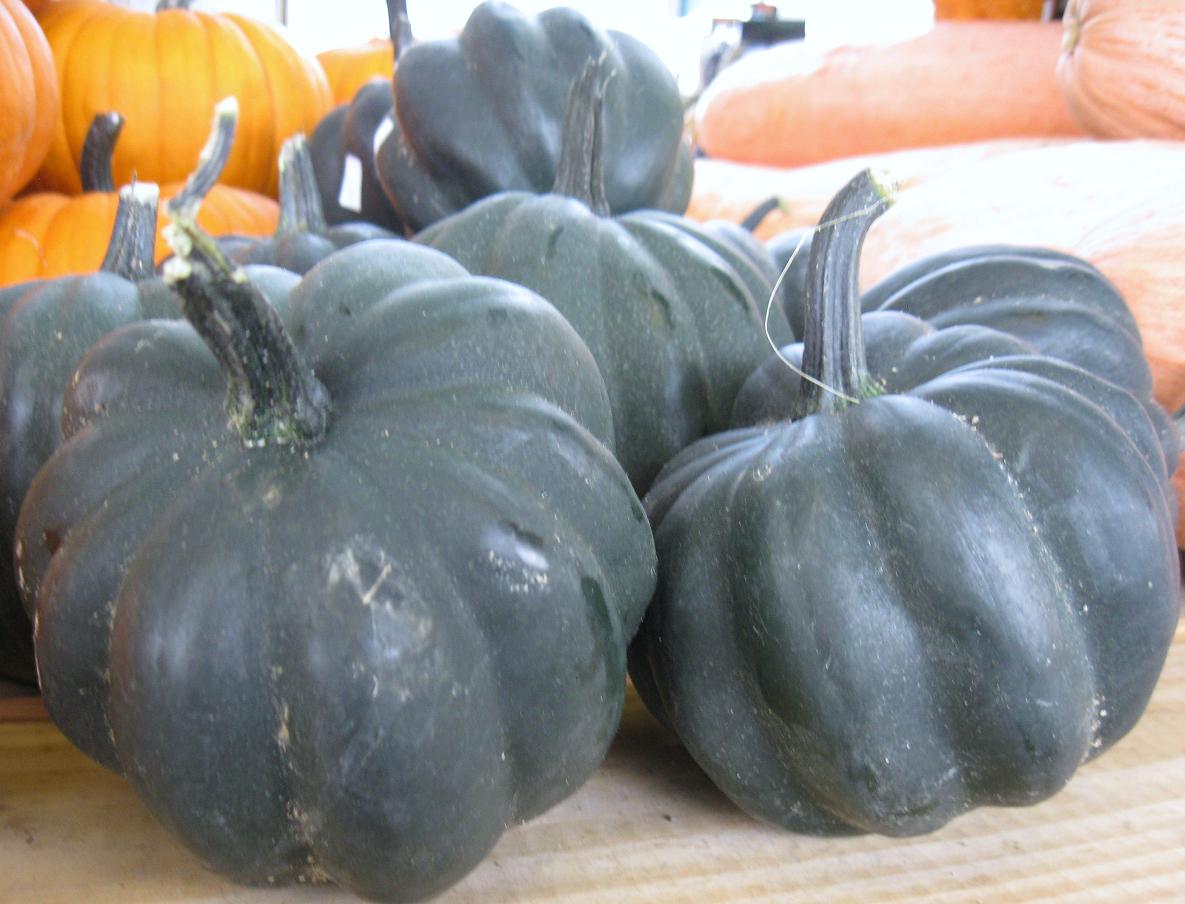
GOURDS, PUMPKINS OR SQUASH?

AUTUMN is here and it is time to PICK YOUR PUMPKIN!


Or… is it a GOURD or a SQUASH? Which is which? How can you know?

ALL can be a festive part of your fall decorations as all are members of the Cucurbitaceae or Cucumber family.


Gourds have been cultivated for thousands of years for their usefulness.  Pumpkins have a strongly-flavored, coarser flesh, while Squash usually have fine grained flesh of mild flavor, and hence are more suitable for baking and edible enjoyment!

I also tend to think of GOURDS as having harder or warty shells and a more unusual shape.  PUMPKINS tend to be rounder and plumper; and while the skin can be textured, most are smooth.  SQUASH also are fleshy and typically have a more unusual shape. 

Confused?  Don’t worry, just pick one you like!  Depending on size, expect to pay from $3 for small gourds to $30 for large pumpkins.  Several local nurseries, farmers' markets and grocery stores have excellent selections. 


Here are some of my favorites:
GOURDS:

Kershaw - wonderfully variegated and works well with many colors!


Knucklehead - The texture of the warts are absolutely amazing!


Gooseneck or Swan - Graceful and elegant!
Looks wonderful with any fall flower! 


Warty - Gnarly and colorful and makes an impact!


Apple - Its shape gives it away. 
Consistent Green Color works well with yellows and purples!


PUMPKINS
One Too Many - is also variegated and resembles the Kershaw gourds.


New Moon - white, elegant and large.  Fall flowers pop against it!
Love it with silvers and purples!


Cinderella - Nice flatter shape makes it a good choice as a stacking pumpkin!


Peanut Shell - I love the texture of this pumpkin and think it is so unusual!


Fairy Tale - similar to Cinderella - but has more muted coloring.
Also an excellent stacking base!


SQUASH
Butternut - This squash is adorable and makes a good choice for smaller planters!

Blue Hubbard - Its shape and blue gray color blends well with many plantings!
I love it with reds!

Turk's Turban - I love how many colors are packed in this squash! 
Works with pale solid colors, such as white!


Acorn - Adorable and small. 
Tuck some into containers and planters with yellows to offer a dark contrast!


Jarradale - Another neutral gray which allows reds and oranges to stand out! 
Also stacks well!


Pair your gourds, pumpkins and squash with colorful marigolds, green and red lettuces and you will have a beautiful autumn decoration that can be enjoyed through Thanksgiving!


Photos Courtesy

of

MATER NATURA DESIGNS


Thursday, September 1, 2011

FALL TO FROST

It is SEPTEMBER and Fall is right around the corner!  Crisp autumn mornings invigorate us as we begin a new season.  Fall is a great time of the year to garden!  Who does not enjoy being outdoors now?

So, if you are tired of ho-hum mums, try one of the plants listed here that will carry you from FALL to FROST.  We will start out with the featured Plant of the Month...


My neighbor has this delightful perennial in her front flower bed beckoning visistors toward her door. It is commonly known as Black-eyed Susan, but its botanical name is Rudbeckia hirta. This showy garden favorite graces borders and makes a choice cutting flower.  Another bonus is that it attracts butterflies and will continue to look great through fall.  Fairly drought tolerant and grows 2-3 feet in height.  Looks best planted in masses.  A plant native to the U.S., it thrives in our region.


MARIGOLDS!  Wow, use these as a mum substitute.  As you can see above and below, they come in yellow and orange - perfect colors for fall decorating!  The botanical name is Tagetes erecta (African Marigold) or Tagetes patula (French Marigold).  The French species is more heat tolerant - so look for the botanical name Tagetes patula on the tag!


The next two photos are Ornamental Peppers.  These small, bushy plants usually are 15 inches high and wide.  Fruits are yellow, orange, red or purple and are purely for decoration - so I would not try to eat them or you may be disappointed!  The first photo is 'Medusa' while the second picture is 'Purple Flash', which is particularly striking with its deep purple foliage.  These beauties make a great fall decoration and love a sunny location! 


The last plant I would suggest from Fall to Frost is Croton, botanical name Codiaeum variegatum pictum.  This plant has large, leathery, glossy leaves that are green, yellow, red, purple, bronze or almost any combination of these colors.  Looks great with gourds and pumpkins! See picture below!


ENJOY SEPTEMBER!

Come back in October for a new gallery of plants!

PHOTOS COURTESY
of
MATER NATURA DESIGNS

Friday, August 5, 2011

THE GREENS


ARBORVITAE FERN

This time of year, when temperatures are scorching and leaves start to curl and brown, these serene greens caught my eye and I wanted to share them for you to try in your yard! 

Also introducing a new feature to my blog... PLANT OF THE MONTH.  Each month, I will feature a new plant.  This month (August), I recommend:
  FERN


Most are forest plants and prefer shaded, moist woodlands.  Some of my favorite varieties of fern are: Aborvitae Fern, Christmas Fern, Southern Shield Fern, Japanese Holly Fern and Autumn Fern, seen pictured above.  It is one of the few ferns with seasonal color variation.  New spring growth emerges a blend of copper, pink and yellow changing to brilliant green in summer and then rusty brown in autumn.  One of the best things about ferns is they continue to look lush and green throughout fall.  Some of our best family photos were taken in November in the Fern Glade at the Birmingham Botanical Gardens.

 And now for the rest of the GREENS:


HOSTA

Pictured is 'Guacamole'.  The bright green leaves really pop in the shady environment it prefers.


LAMB'S EAR
Stachys byzantina 'Silver Carpet'

Groundcover of soft, thick, woolly leaves adds contrast to colorful plantings.  Likes sun to light shade.


BALD CYPRESS
Taxodium distichum

A conifer with feathery foliage that turns an orange brown in fall dropping to reveal the striking cinammon bark for winter interest.  Likes full sun and just look at how interesting these August cones are!  Pyramidal tree that grows quite large (60 feet high and 25 feet wide).  Likes wet sites.


CUBAN OREGANO
Plectranthus amboinrus

Have you seen this variegated plant  mixed in containers all over the place?  It has that "spiller" effect which contrasts nicely with purples, pinks and reds.  When you rub the leaves you get that fragrant oregano smell.  It is a tropical plant that loves partial sun and is tough! 

I hope you enjoyed the greens as much as I do.

STAY COOL and check back in SEPTEMBER for a new PLANT OF THE MONTH!

Photos courtesy of Mater Natura Designs

Check out some cool photo entries at:http://project64colors.blogspot.com/


Monday, July 25, 2011

WATER LILY

On a recent trip to the Birmingham Botanical Gardens, the water lillies had opened in the reflecting pool.  Floating, rounded leaves contrasted nicely with the showy blossoms against the inky, dark water.


Water Lily is the common name for Nymphaea, the botanical name.  Lotus (Nelumbo) are also in the same family (Nymphaeaceae) as water lily.


Best suited for water gardens and ponds, they like full sun and there are hardy and tropical varieties.  Tropical varieties should be used only if you are in the tropical south.  Many selections are fragrant.


Water Lily can be planted from April to August - so if you are considering adding to your water feature, remember this time frame for these aquatic plants.


PHOTOS COURTESY OF MATER NATURA DESIGNS


You can see my entry for Project 64 - which is a weekly photo contest
selecting a new crayon color "out of the box". Check out the cool entries at: